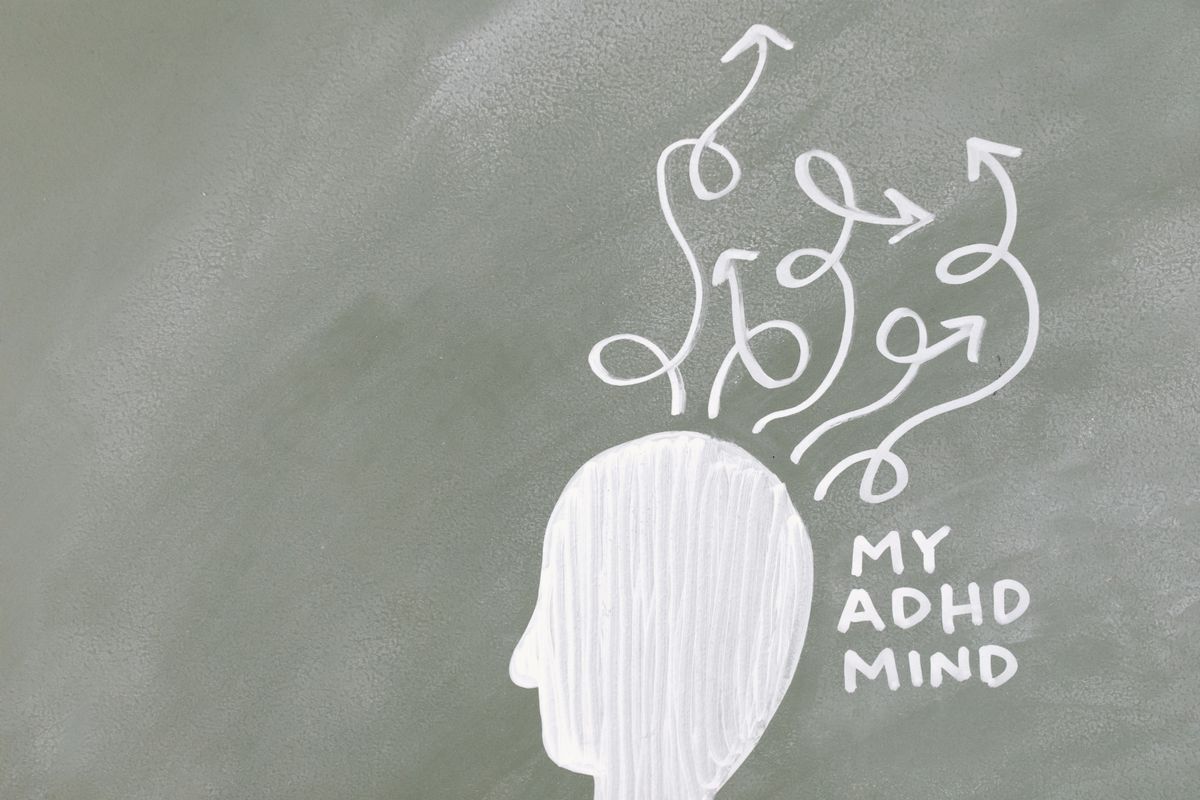
Understanding Adult ADHD
Exploring ADHD as a natural variation of the human mind, and finding practical ways to navigate its challenges through CBT.
What is Adult ADHD?
Attention Deficit Hyperactivity Disorder (ADHD) is a clinical diagnosis used to describe a set of characteristics that include inattention, hyperactivity, and impulsivity. These traits are typically present from childhood and continue into adult life.
Combined Subtype
Characteristics present across all domains: inattention, hyperactivity, and impulsivity.
Inattentive Subtype
Primarily differences in attention, concentration, and focus on details.
Hyperactive-Impulsive Subtype
Primarily characterized by restlessness, agitation, and acting without thinking.
The ADHD 'Umbrella'
ADHD is an umbrella term that affects people in vastly different ways. It often involves differences in 'executive functioning'—the control centre of the brain responsible for:
- Organisation & Planning
- Working memory (holding things in mind)
- Regulating behaviour and emotions
"We appreciate ADHD as a difference, not a deficit."
Different Ways of Viewing ADHD
We take a neuro-affirmative approach, viewing ADHD through several 'lenses' that complement each other.
Clinical Lens
Using diagnosis as a language to understand characteristics and access support.
Social Disability Lens
Seeing how society's barriers often create the 'disability' rather than the difference itself.
Neurodiversity Lens
Valuing ADHD as one of the many ways human beings naturally vary.
Living with ADHD
Having ADHD can be tough—it impacts education, work, and relationships. People often report feeling criticised or misunderstood, which can lead to additional mental health challenges like anxiety or depression.
But there are also strengths:
Alongside the challenges, people with ADHD often describe enjoyable characteristics such as being fun-loving, spontaneous, creative, and highly resilient. Our aim is to help you explore these advantages while finding better ways to manage the struggles.
A Way Forward with CBT
Understanding Links
CBT (Cognitive Behavioural Therapy) helps us understand the links between thoughts, reasoning, remembering, and our actions. We don't choose the characteristics we're born with, so we focus on coping helpfully now rather than self-blame.
Tailored Therapy
Your therapy is tailored to your unique needs. We explore predispositions (biological factors) and experiences (psychological and social factors) to understand how they shape your current challenges.
Breaking the Cycle
Sometimes, a lack of support or negative experiences leads to unhelpful coping habits like avoidance or procrastination. Thoughts like "I can't do it" lead to anxiety and avoiding tasks, which prevents us from learning that we can cope. CBT helps break this cycle by trying new ways to manage challenges.
Begin Your Journey