Understanding Procrastination and Avoidance in Adult ADHD: A CBT Guide
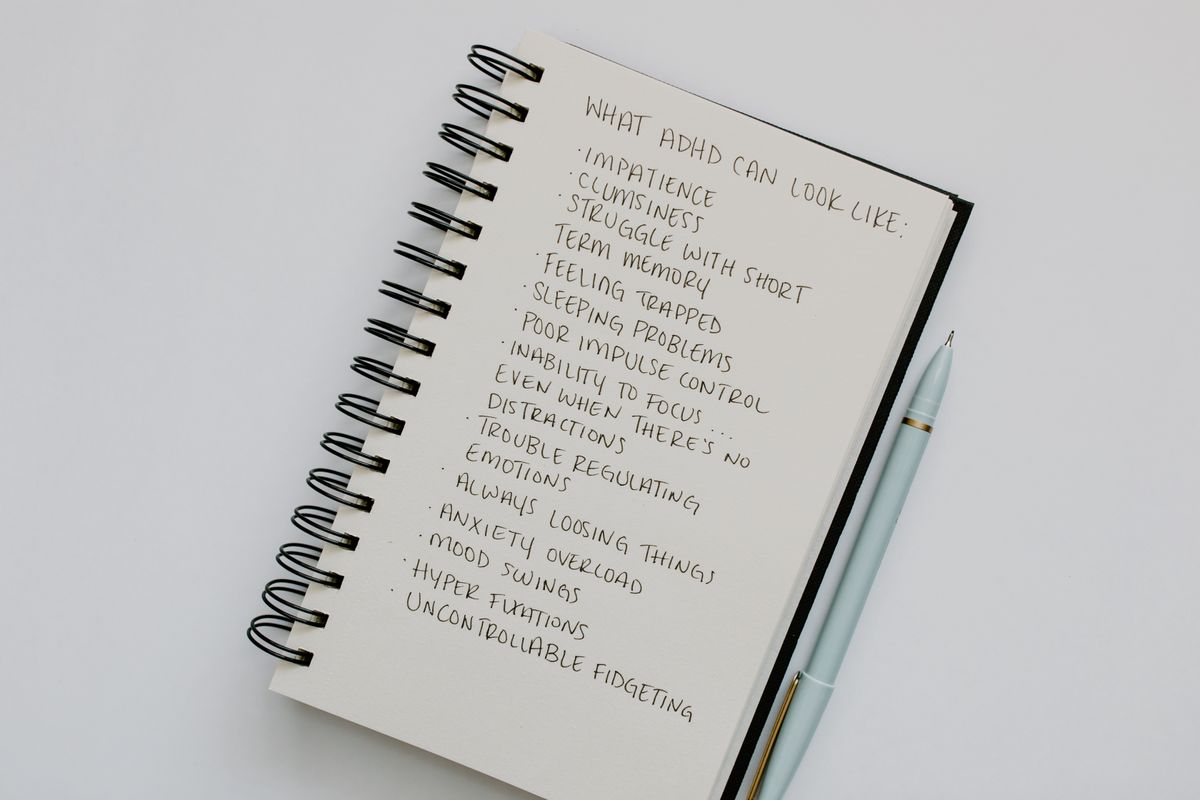
If you live with adult ADHD, you are likely intimately familiar with the exhausting cycle of procrastination and avoidance. It often begins with a task that appears straightforward on paper: replying to a work email, filing an expense report, organizing paperwork, or initiating a phone call.
Yet, hours or days pass, and the task remains untouched. As deadlines loom, a heavy cloud of anxiety, guilt, and harsh self-criticism takes hold. You might wonder: “Why can’t I just make myself do it? Am I just lazy?”
The short, reassuring answer is: No, you are not lazy. And you are not failing.
From a Cognitive Behavioural Therapy (CBT) perspective, chronic procrastination in ADHD is rarely a problem of willpower or poor time management. Instead, it is fundamentally an emotional regulation and executive functioning challenge. Understanding this distinction is the essential first step toward breaking free from avoidance loops and establishing sustainable habits.
The ADHD and Anxiety Cycle: Emotional Regulation Behind Avoidance
Neurotypical productivity advice often prescribes rigid scheduling, discipline, or timer apps. For an adult with ADHD, however, these external frameworks frequently fall apart because they overlook how neurodivergent brains process stimulation, threat, and dopamine.
Executive functions act as the control centre of the brain—directing working memory, task initiation, prioritization, and emotional regulation. In ADHD, dopamine signalling in executive pathways is naturally variable. When a task feels ambiguous, tedious, or overwhelming, the brain does not generate the neurological momentum needed to start.
When combined with life experiences where past mistakes were criticised, a painful psychological cycle begins:
- The Triggering Task: A deadline, administrative chore, or project arrives.
- Cognitive Appraisal: Automatic thoughts flash beneath awareness: “I don’t know where to begin,” “This is going to take forever,” or “What if I do it wrong and let people down?”
- Emotional and Somatic Response: The nervous system registers these thoughts as acute discomfort, stress, or sensory overwhelm.
- Avoidance as Relief: To escape the immediate emotional distress, the brain pivots toward an easier dopamine source (scrolling, tidying an unrelated cupboard, reorganising your desk).
- Temporary Relief Followed by Guilt: The short-term relief quickly gives way to amplified anxiety, shame, and self-blame as the deadline draws closer.
- Task Paralysis: The magnified guilt makes the original task feel even more threatening, locking the cycle in place.
Avoidance is therefore a coping mechanism for managing painful feelings in the moment, rather than a conscious desire to neglect responsibility.
CBT Strategies for Breaking Task Paralysis
Cognitive Behavioural Therapy provides practical, evidence-based tools that dismantle this cycle. Rather than fighting your brain, CBT helps you observe the thoughts and physical sensations that trigger avoidance, gently testing new responses through structured experiments.
1. Cognitive Reframing: Unmasking All-or-Nothing Thoughts
Adults with ADHD frequently struggle with automatic distortions, particularly all-or-nothing thinking (“If I can’t finish the entire report right now, there’s no point starting”) and catastrophising (“Everyone will realise I have no idea what I’m doing”).
In CBT, we identify these internal narratives and reframe them:
- Automatic Thought: “I need a clear 4-hour block to tackle this project.”
- Reframed Reality: “Action precedes motivation. Doing five minutes of messy work creates clarity and relieves anxiety.”
2. Behavioural Experiments and the 5-Minute Rule
When task paralysis strikes, negotiating with your brain is more effective than demanding total compliance.
A behavioural experiment invites you to test an assumption: “Can I engage with this task for just 5 minutes without any obligation to finish it?” Set a timer, open the document, write three imperfect sentences, and permit yourself to stop when the timer dings. In practice, the hardest hurdle in ADHD is task initiation; once the threshold is crossed and the perceived threat dissolves, momentum often takes over naturally.
3. Lowering the Activation Energy: Micro-Stepping
When an ADHD brain looks at “Sort tax receipts,” it sees an impenetrable wall of decisions. To overcome this, break tasks down into micro-steps so small that they provoke zero emotional resistance:
- Not: “Write presentation.”
- But: “Open laptop, create a blank slide file, and type a working title.”
Each micro-step provides a discreet sense of completion, creating steady dopamine rewards along the way.
Practical Framework: Setting Up Neuro-Affirming Routines
Building sustainable routines requires scaffolding that works with your neurodivergence rather than against it. Here are four daily strategies:
Externalise Working Memory
Because working memory capacity can quickly become overloaded, keep tasks visible outside your head. Use visual whiteboards, physical sticky notes, or one dedicated notepad rather than juggling five digital apps.
Body Doubling and Shared Focus
Working alongside another person—whether quietly in the same room, on a video call, or in a structured group—provides gentle social accountability and helps ground wandering attention.
Protect Your Sensory Environment
Recognise when sensory fatigue is masquerading as procrastination. Lower overhead lighting, put on noise-cancelling headphones, or choose comfortable seating to reduce the nervous system friction associated with sitting down to work.
Practice Self-Compassion
Harsh self-criticism activates the amygdala and heightens stress, making task initiation even harder. Speaking to yourself with understanding (“This is a tough task for my brain today, let’s take just one tiny step”) keeps your nervous system calm enough to function.
Frequently Asked Questions (FAQ)
Why do adults with ADHD struggle with chronic procrastination?
Adults with ADHD procrastinate primarily due to neurochemical differences in dopamine regulation and executive dysfunction, rather than laziness or a lack of willpower. Executive functions—such as working memory, prioritization, and task activation—rely on steady dopamine signalling. When a task feels ambiguous, boring, or emotionally daunting, the brain does not generate the neurological spark needed to begin. Avoidance acts as an immediate coping strategy to soothe the acute discomfort of overwhelm, perfectionism, or fear of failure.
How is ADHD task paralysis different from everyday procrastination?
While everyday procrastination is usually a conscious delay driven by low urgency or temporary preference, ADHD task paralysis is an involuntary executive freeze. An adult with ADHD often experiences acute distress, internal guilt, and physical anxiety while feeling completely unable to begin, despite urgently wanting to get the task done. The barrier is neurological and emotional, not attitudinal.
How does Cognitive Behavioural Therapy (CBT) treat ADHD avoidance?
CBT helps adults with ADHD by identifying and dismantling the automatic thought distortions—such as all-or-nothing thinking (“If I can’t finish it all today, why bother?”) and catastrophising—that turn tasks into perceived threats. It introduces neuro-affirming behavioural tools including the 5-minute experiment, micro-stepping, body doubling, and sensory adaptations to systematically lower the activation barrier needed to begin.
Can CBT replace ADHD medication?
CBT does not replace ADHD medication; rather, the combination of medication and specialized CBT is considered the gold standard for adult ADHD management. While medication supports neurochemical regulation and baseline attention, CBT provides the executive scaffolding, cognitive reframing, and emotional regulation habits required to navigate daily life sustainably.
Do I need a formal ADHD diagnosis to benefit from CBT?
No formal medical diagnosis is required. Adults currently awaiting an assessment, or those who strongly identify with adult ADHD traits, are fully welcome to apply the CBT tools in their daily routine, join the group programme, or engage in individual therapy.
What is the Adult ADHD CBT Group Programme?
Led by BABCP-accredited therapist Deirdre Coyne, the 10-session online programme provides structured, neuro-affirming guidance on overcoming procrastination, regulating emotions, and building sustainable life systems alongside an empathetic peer cohort. Cohort One starts on 2nd November 2026 via Zoom and is limited to 8–10 participants.
How can I apply for Cohort One or individual therapy?
You can submit an online application directly through the Cohort Application page. If you prefer one-to-one therapy, you can reach out via the contact form to discuss an initial assessment.
Taking the Next Step: Join Cohort One
Breaking chronic procrastination is not about forcing yourself into a neurotypical mould; it is about learning how your mind operates and giving it the compassionate, evidence-based structure it needs to thrive.
If you recognise yourself in these cycles and want hands-on, structured guidance alongside peers who truly understand, applications are currently open for Cohort One of our 10-session CBT Group Programme.
Applications Open • Cohort One
Limited to 8–10 participantsCBT for Adult ADHD: 10-Session Group Programme
A structured, evidence-based online programme led by BABCP-accredited therapist Deirdre Coyne. Designed specifically to help adults dismantle task paralysis, build realistic executive scaffolding, and master practical emotional regulation strategies in a supportive, non-judgemental environment.
Prefer personalised 1:1 care? Individual therapy sessions are also available to tailor CBT specifically to your personal history and pace. Get in touch to arrange an assessment.